I started developing games when I was 9 years old. Below are the games I developed during my undergraduate years.
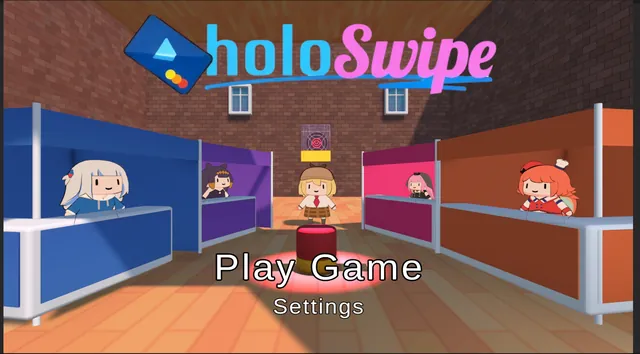
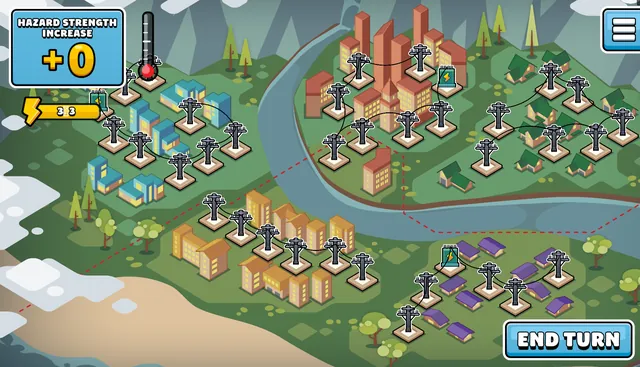
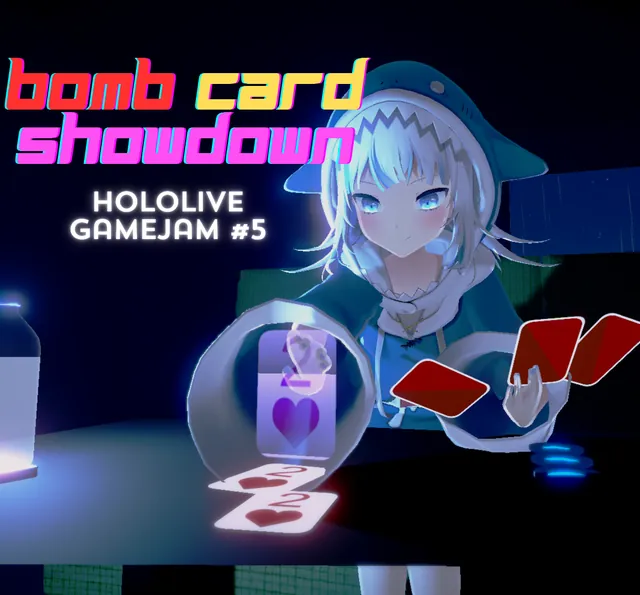
I am fortunate to have been an exec of UIUC GameBuilders for years, leading teams to develop 4 games across 2 years. All those memories at UIUC GameBuilders and Stu/dio are valuable to me.
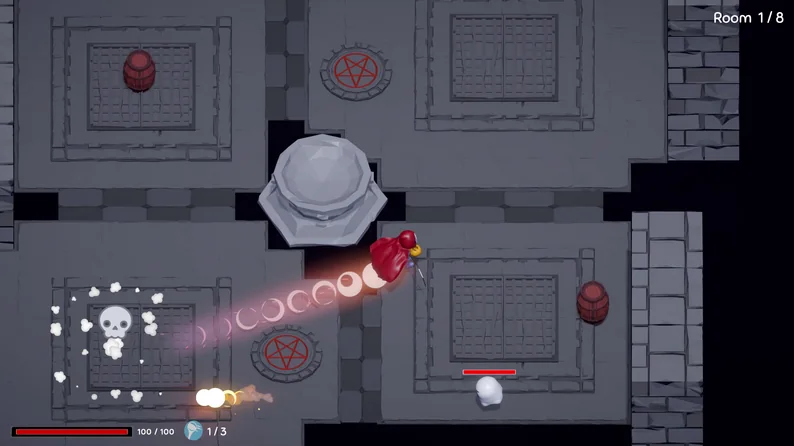
Zombie Farm is a turn-based, grid-based roguelike where strategic planting and precision harvesting turn a peaceful 3x3 plot into a factory of mutated zombie warriors.
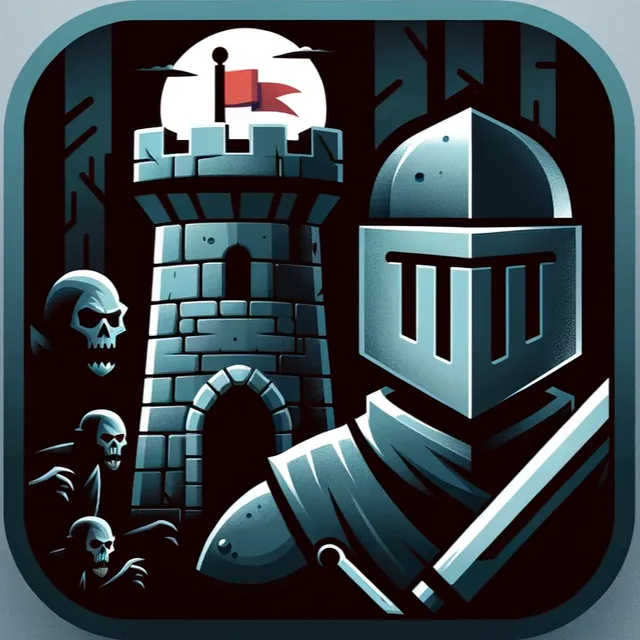
ZombieBlockade is a tower-defense game where players need to build various walls and towers, keep a balance between economic and defense power, and protect themselves against waves of zombies.
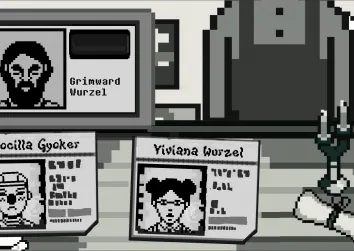
A creative game that pays tribute to Papers, Please for the Global Game Jam 2023. Help Dale and his town find their matches! You will be presented with a marriage requestor, looking to get married, and two candidates...
I made my first game when I was nine, in fourth grade.
I made it in Scratch, where you build programs by snapping blocks together. Move 10 steps. If on edge, bounce. Say Hello! for 2 seconds. I dragged the blocks out one at a time and fit them together, and the cat on the screen began to move. It was the first time I knew that something could move because of me.
I started a group on QQ, the chat app most Chinese kids used back then, and posted each game there when I finished it: turn-based battles, side-scrolling platformers, fighting games. I made twenty or so, most of them odd little things. Looking back, that group was my first publishing platform.
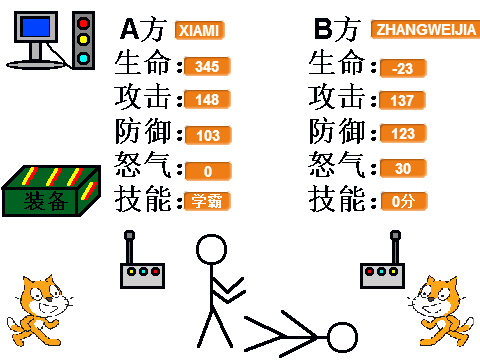
Grade Battle (2017), a turn-based Scratch game. Enter both players' names and their grades in three subjects, and it works out stats and skills, then plays the fight by itself.
In eighth grade I made a game a lot like Soul Knight and entered it in a national Scratch game competition. It took first place and a prize of 1,000 yuan, the first money I ever earned from a contest. I was thrilled, and a little disbelieving that making games could win you anything at all. It was also the first game I would call finished.
In elementary school I had also learned some Free Pascal. I wanted to compete in the Olympiad in Informatics and become what Chinese students call an OIer. My middle school had no coach and I found no other way in, so I let the plan go. If it had worked out, I might be on a different road today. Still, Pascal was the first language I ever typed out letter by letter, and that stays true.
II
In middle school I tried every game-making tool I could find: the Warcraft III map editor YDWE, RPG Maker, GameMaker. I also built my first Android app with App Inventor.
You could make a lot with those tools, but most of them were still blocks, with no code to write. The more I made, the more I felt something missing, as if I were looking at the work through a pane of glass. I wanted the proper, disciplined version: real code, real games.
I set my sights on Unity, a commercial engine where you write game logic in C#. Honor of Kings was built on it, and later Genshin Impact would be too. In ninth grade I started teaching myself. My English was poor and much of it went over my head. In the end I followed Unity's official beginner tutorial, Ruby's Adventure, and stopped there. The high school entrance exam was coming.
III
In high school I finally learned a programming language properly. I taught myself Java and, for the first time, understood what object-oriented programming meant. In eleventh grade I wrote a text-based RPG in plain Java with its built-in GUI toolkit. I wrote tens of thousands of words of worldbuilding for it, in a document I called An Outline for a Sci-Fi Text Game. From then on, making games meant programming.
Then I went back to Unity and worked through more examples. My first Unity project was an idle text game, modeled on A Dark Room and Kittens Game. I followed tutorials as I built it. I copied most of the code, often without knowing why it was written that way. But I kept copying, and slowly I found I could write it myself.
I've thought about that often since. You learn most things this way, I think. First you imitate, and then one day you notice you can do it on your own.
My second project was a 2D auto-battler in the style of Teamfight Tactics, and it was much harder. The units needed AI, the skills needed a system, and the parts of the program needed to pass messages to each other. That was when I started reading about design patterns: singleton, factory, strategy, mediator. I learned each one and put it in wherever it seemed to help, so I refactored the code several times along the way. Then exam pressure caught up with me, and I left it half finished.
IV
In college I took computer science courses in earnest. I learned C++ and came to more or less understand pointers and memory management. I also picked up some Python, assembly, Rust, and JavaScript/TypeScript.
Better still, I could finally give real time to making games.
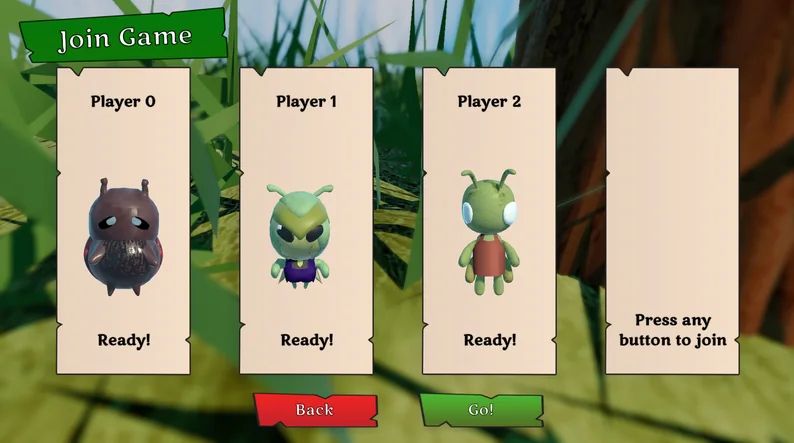
I joined the school's game development club. Every semester a dozen or so of us picked a classic, successful game and built our own version of it. The first was modeled on Hades, a 2.5D roguelike action game. The second was modeled on Overcooked, where everyone crowds into one kitchen and cooks together. I started as one of the developers and became programming lead: I designed the architecture, planned the schedule, and kept the team moving. I learned that a team has much more than code to worry about: who builds which part, when it's due, how two people's work fits together.
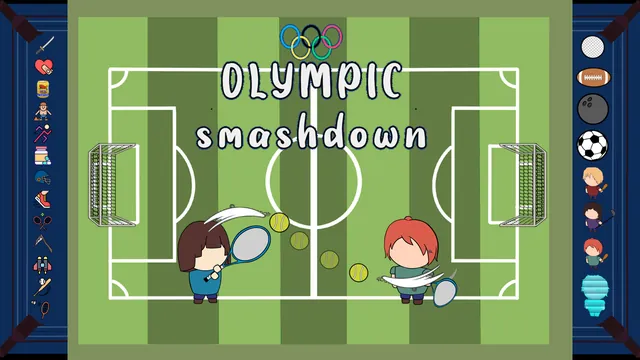
Sugar & Slice and Beetle Bistro, the club's first two games.
Every few months I also joined a game jam, where you finish a game in 24 or 48 hours. Jams were exhausting and often cost me a night's sleep, and they stayed with me. Games brought me a lot of good friends and a great deal of engineering experience.
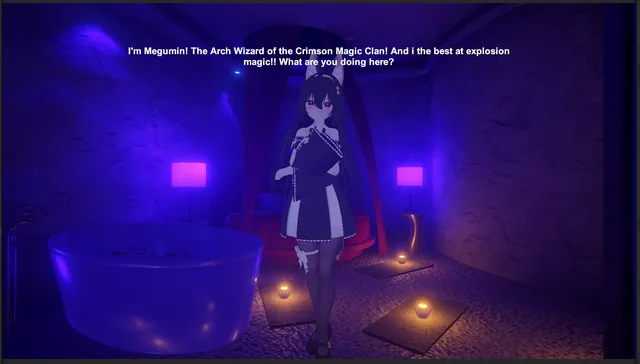
The summer after freshman year I interned at a small company working where LLMs, XR, and games meet. I worked on using ChatGPT to drive NPCs in a VR world. Players spoke to them out loud, and the NPCs answered, walked, gestured, and even reached out to hold the player's hand. Back then, very few people had built anything like it.
An NPC in Reborn AI.
Later I interned at Tencent: UE5 on PUBG Mobile at IEG, and Unity memory-profiling tools at the WeChat Group. When I set my sights on Unity in ninth grade, I knew Honor of Kings was built on it. A few years later I walked into the company that made Honor of Kings.
That club was GameBuilders. When I joined, I knew nothing about making games with other people. I went on to become tech lead and finally an exec. Over those years I met many like-minded people, and I went to GDC 2025. All of it means a great deal to me.
V
Writing this down, I realize that nearly everything that brought me to computers came through games.
The first block I ever dragged out was for a game. The first time I read about design patterns, I was trying to teach the pieces on a game board how to fight. The first time I learned to lead a team, it was because a game had to get finished. For years I didn't know that what I was learning was called computer science. I only wanted to make something move, and then make it move a little better.
Now I research AI agents that learn from their interactions and their failures and get a little better each time. Sometimes it seems not so different from what I did as a kid: copying code out of tutorials until I could write it myself, and starting over when it fell apart.
Looking back, an orange cat on a screen opened that door for me when I was nine. I didn't know then how big the room behind it was. I still don't.